


• 0
Activity Image

All Pula Tours & Excursions in 2026

6 results
6 results
Activities

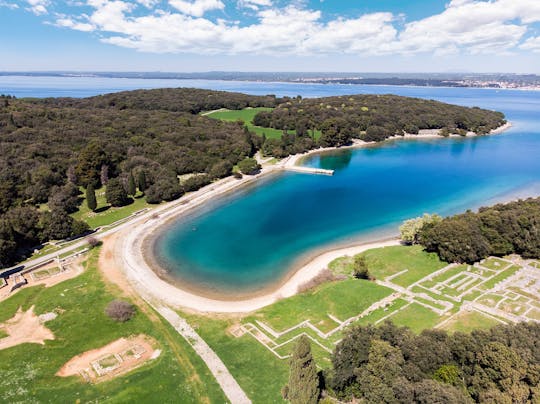
Brijuni National Park Cruise from Pula with Lunch, Drinks and Swimming

Book a relaxing cruise departing from Pula. Enjoy swimming and sunbathing before you indul...

Free Cancellation
Instant confirmation
Meal Included
Available in:

en,  it,  fr,  de

Excursions & day trips

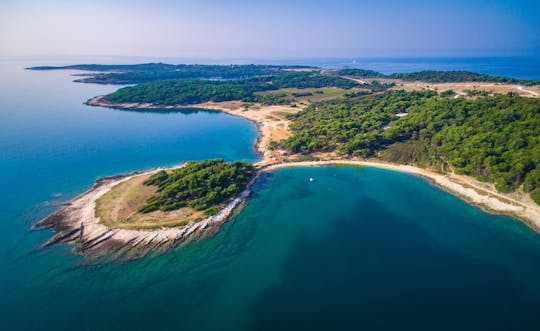
Brijuni National Park 6-hour boating and swimming tour

Discover the National Park of Brijuni, embark on a 2-hour cruise along the 14 islands and...

Free Cancellation
Instant confirmation
Meal Included
Available in:

en,  it,  de

Excursions & day trips

Sunset boat tour to Brijuni National Park with dinner and dolphin watching

Book a boat tour to Brijuni National Park with dinner and drinks included. Enjoy a traditi...

Free Cancellation
Instant confirmation
Meal Included
Available in:

en,  it,  de

Activities

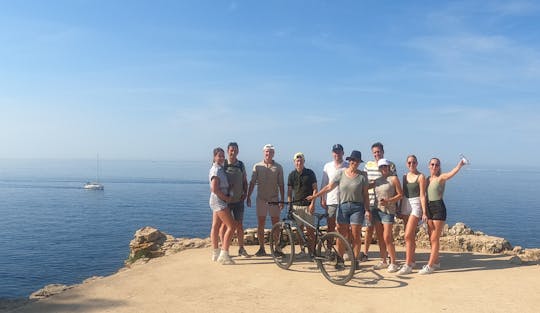
Cape Kamenjak guided bike experience

Join a guided bike tour around Cape Kamenjak including a drink and swimming at Istrian Pen...

Free Cancellation
Instant confirmation
Guided Tour
Available in:

en

Activities

Pula guided bike adventure

Join a guided bike tour around Pula

Free Cancellation
Instant confirmation
Guided Tour
Available in:

en

Activities

Pula dolphin-watching boat tour with dinner on board

Book this 3-hour dolphin-watching boat tour with dinner onboard in Pula along the coast of...

Free Cancellation
Instant confirmation
Guided Tour
Available in:

en,  it,  fr,  de

Introducing Pula

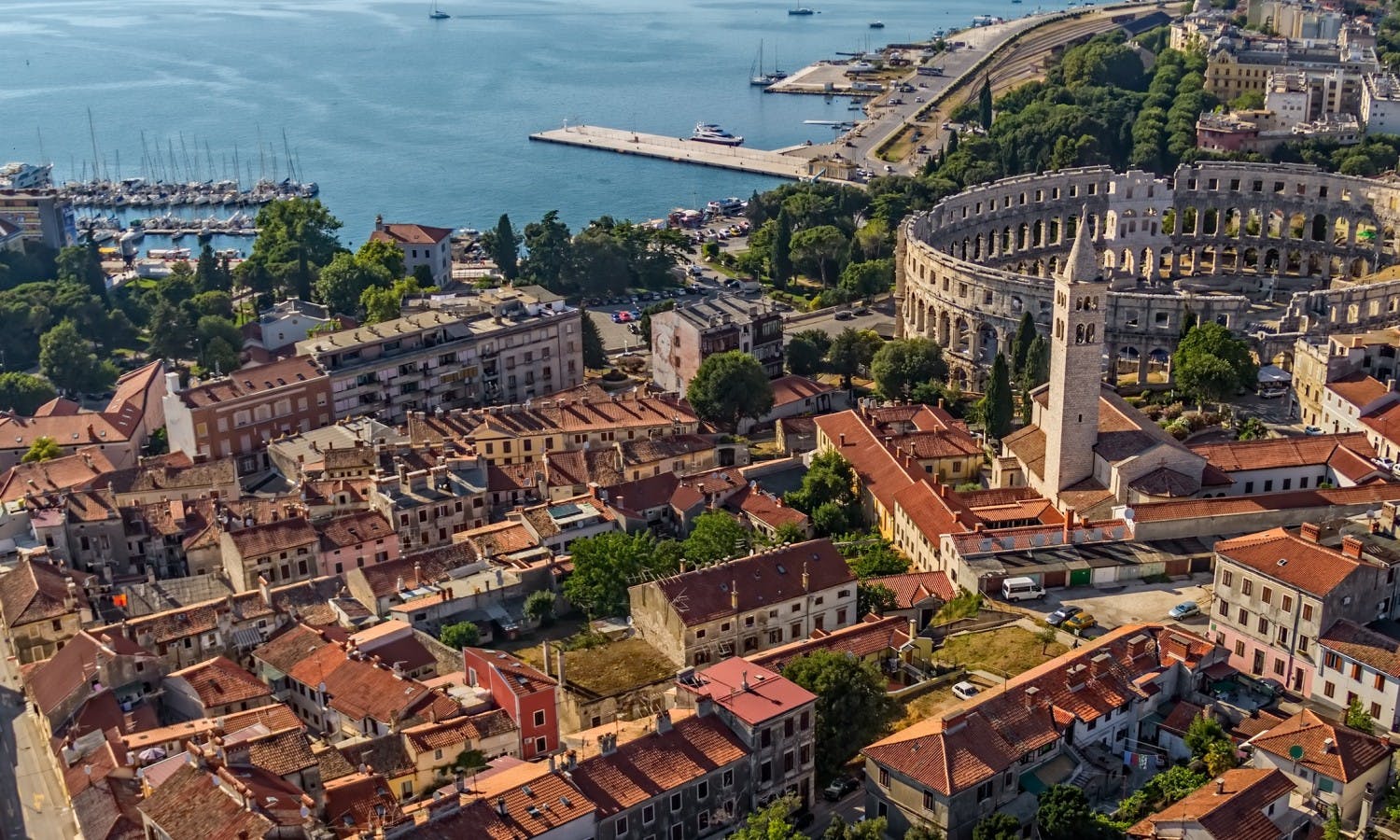
This mesmerizing seaside city on the southern tip of the Istrian peninsula has been a hub of civilization since Roman times. Having been founded by the Histri, an ancient Illyrian Istrian tribe, Pula's earliest permanent settlement record dates back to the 10th century BC and the city has been associated with the Colchians since its establishment. Pula, which was known by Greek passengers and sailors, came under Roman control in 177 BC. It was eventually elevated to the colonial level between 46 - 45 BC. During this period, Pula flourished, reaching a population of 30,000 and becoming an important Roman port with a large surrounding area under its administration. The city, complete with a Roman Forum, is home to many Roman remains, the most notable being the first-century Roman amphitheater characterized by outstanding engineering and construction techniques. Additionally, the city has a deep centuries-old tradition of olive oil and wine making.